
CoL Centre 2025 Students
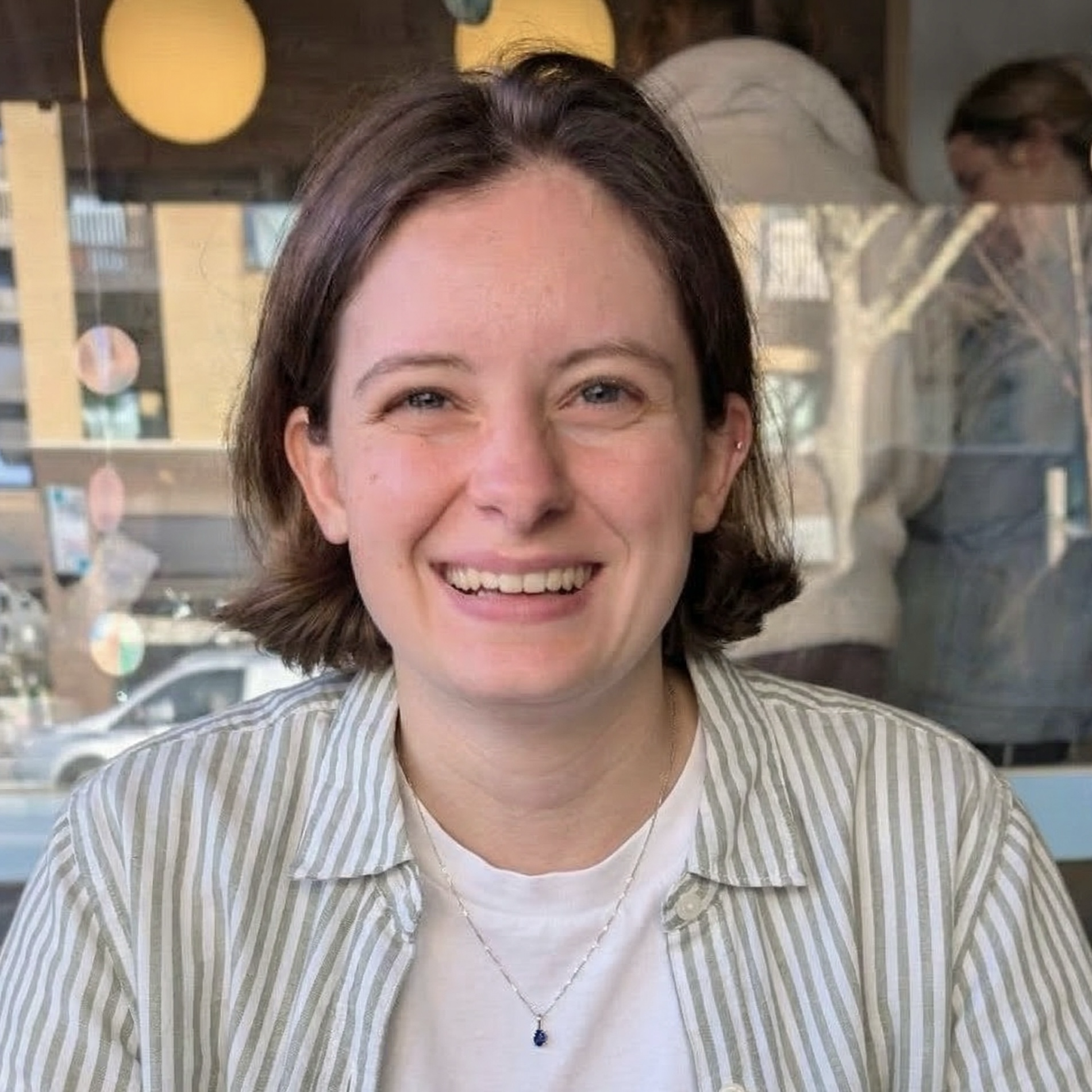
Araminta Gray
CoL Centre PhD Student
UCL & Queen Mary University of London
Araminta studied for a BSc in Biology, followed by a Master’s by Research in Cell Biology at the University of Kent. In 2023, she joined the UCL Great Ormond Street Institute of Child Health as a Research Assistant in Dr. David Michod’s group, investigating the role of epigenetic factors in the pathogenesis of Diffuse Midline Glioma.
Araminta is a CRUK CoL Children and Young People’s Cancer PhD student at the UCL Great Ormond Street Institute of Child Health under the supervision of Prof. J. P. Martinez-Barbera. Her project will investigate the molecular and cellular mechanisms underlying the tumour-promoting activity of senescent cells in tumour development and relapse in paediatric diffuse midline glioma.
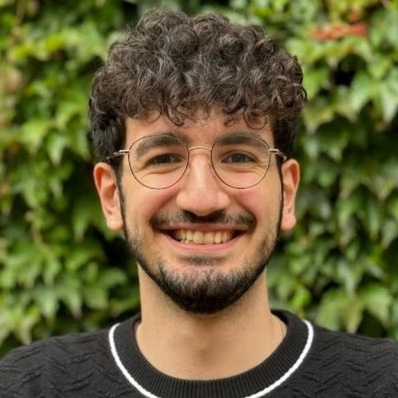
Callum Emin
CoL Centre PhD Student
Queen Mary University of London & UCL
Callum just finished his Masters in Biochemistry at UCL and completed a placement year at GSK doing Materials Science.
He is a Radiation Research Centre (RadNet CoL) student and his PhD aims to develop a new treatment for children’s bone cancer by combining radiotherapy and immunotherapy. He is completing his PhD under the supervision of Jane Sosabowski at the BCI and Jon Fisher at UCL.
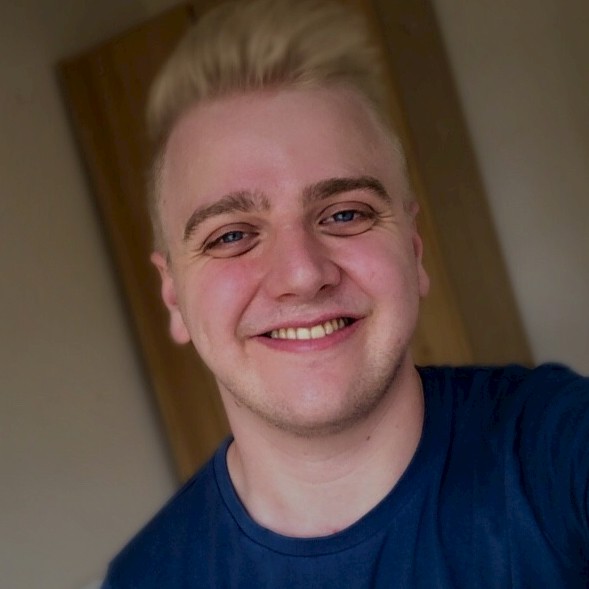
Calum Mould
CoL Centre PhD Student
Queen Mary University of London & UCL
Calum studied Chemistry with Pharmacology at the University of Birmingham, in which he worked within Robert Neely’s research group, developing novel methods for epigenetic profiling. He then went on to join the resulting spin out, Tagomics as their first employee where he spent the last 4 years developing the technology for commercialisation and innovating around it.
He is based at the Barts Cancer Institute working within Nitzan Rosenfeld’s group and will be investigating new methods for early cancer detection using serum.
Devika Singh
CoL Centre PhD Student
UCL & The Francis Crick Institute
Devika is a Radiation Research Centre (RadNet CoL) PhD student at the UCL Cancer Institute under Claire Roddie. Her primary research focus is in CAR-T cells for solid tumours. She did her undergrad in Biochemistry, where she gained in interest in immunology – and went on to do her Masters in Immunology at UCL.
She worked for two years as a research technician in the UCL CAR-T lab under Claire Roddie and Martin Pule, where she focused on developing CAR-T treatments for NK lymphomas and renal cell carcinoma.
Her PhD project is on the combination of radiation and CAR-T treatment in order to improve CAR-T outcomes in CNS lymphoma.
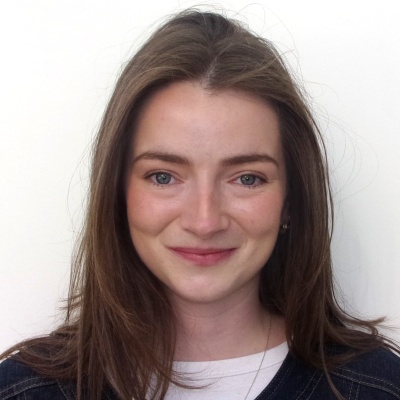
Eleanor Mackellar
CoL Centre PhD Student
Queen Mary University of London & UCL
Eleanor received her undergraduate degree in Biological Sciences with honours in Molecular Genetics from the University of Edinburgh. Following this she worked as a Research Assistant in Professor Nancy Papalopulu’s lab at the University of Manchester, investigating the role of gene expression dynamics in cell state transitions in breast cancer and neurogenesis.
Eleanor is based at Barts Cancer Institute. Her primary supervisor is Dr Lovorka Stojic, BCI and secondary supervisor is Dr Nnenna Kanu, UCL/Crick. Her PhD project will focus on dissecting mutational and non-mutational regulation of SWI/SNF chromatin remodelling complexes in lung cancer.
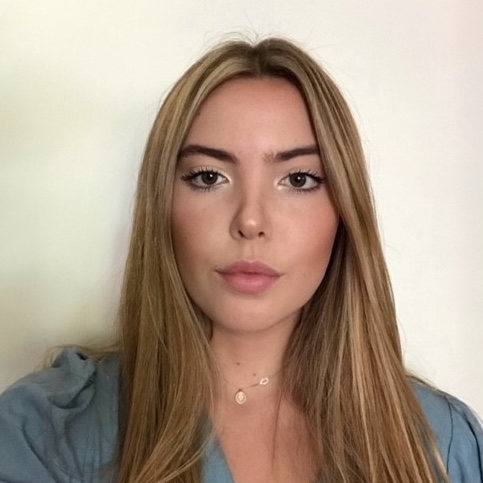
Honor Tookey
CoL Centre PhD Student
Queen Mary University of London & King’s College London
Honor is a PhD student working under the supervision of Luigi Ombrato (BCI) and Anita Grigoriadis (KCL). Her project is focused on understanding the systemic effect of radiotherapy (RT) on breast cancer metastasis. Adjuvant radiotherapy is standard of care for breast cancer patients, however, while the local effects of RT are well characterised, its systemic consequences remain poorly understood. Lymph nodes are of particular interest because they coordinate adaptive immunity, initiate anti-tumour responses, and can support metastatic outgrowth.
Prior to her PhD Honor completed her undergraduate degree in biochemistry at the University of Bath. During her degree, she completed a year-long placement at Cancer Research Horizons based at the Francis Crick Institute, working in the Target Validation and Disease Positioning team. After graduating, she spent two years at the CRUK Cambridge Institute in the Brenton Lab, where she worked on the generation and characterisation of primary tumours and micrometastases in genetically engineered mouse models of high-grade serous ovarian carcinoma.
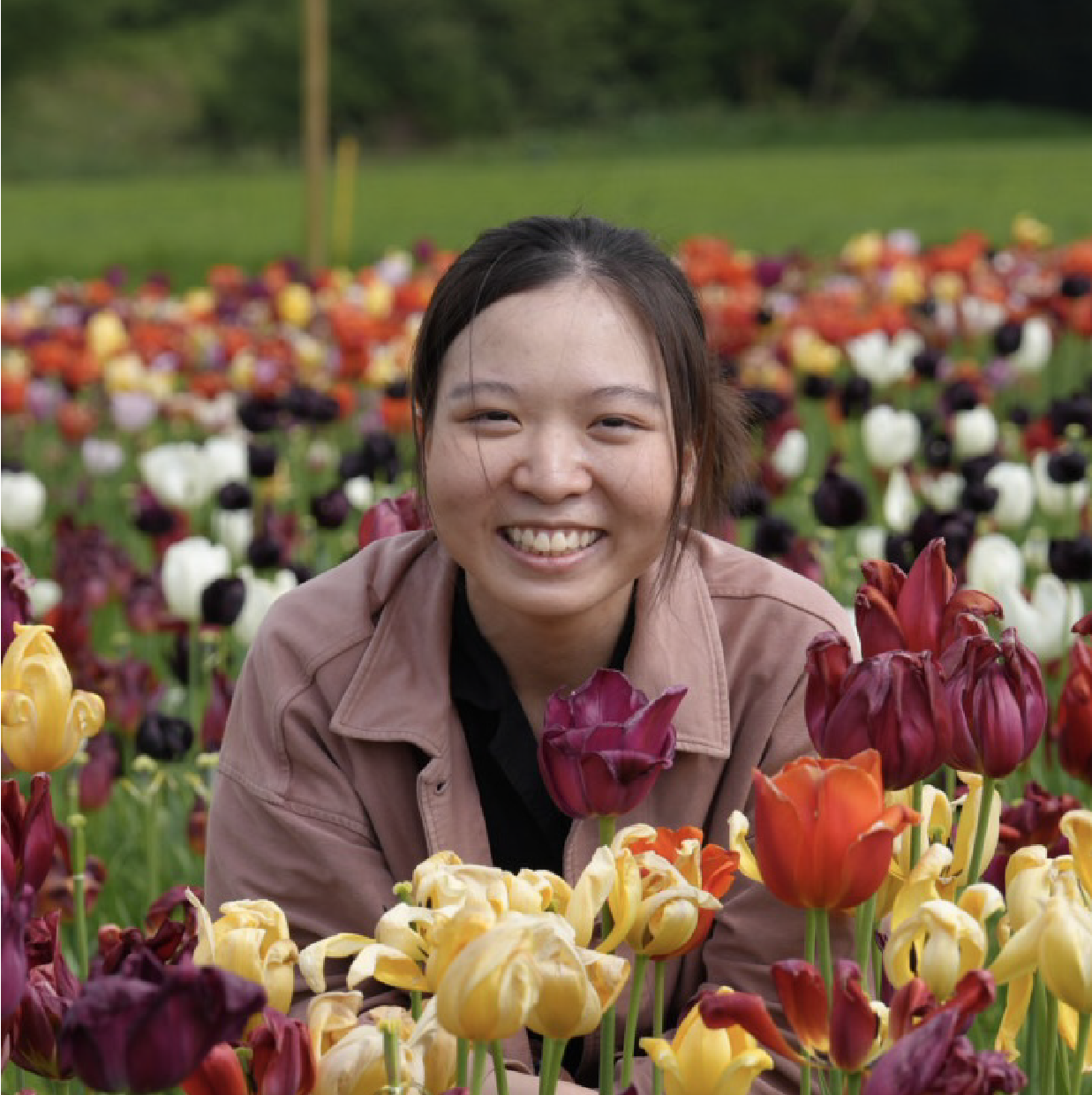
Huile Lim
CoL Centre PhD Student
King’s College London & Queen Mary University of London
Huile is interested in the role of the microbiome in head and neck squamous cell carcinoma (HN-SCC). At present, there is a critical unmet need to improve the effectiveness of treatment for HN-SCC, and microbiome research offers a promising and emerging avenue for developing new therapeutic strategies. However, the tumour microenvironment (TME) is highly complex, and conventional 2D cell culture systems, although simple and convenient, fail to recapitulate this complexity.
Hence, her PhD research will concentrate on devising a more physiologically complex and relevant tumour-on-chip model, integrating the use of organoids, to better understand the interactions within the tumour microenvironment.
Huile completed my BSc in Life Sciences, specialising in Biomedical Sciences at the National University of Singapore, followed by an MSc in Microbiome in Health & Disease at King’s College London. She is now based within the Reis Ferreira, Joana Neves and Verbruggen laboratories.
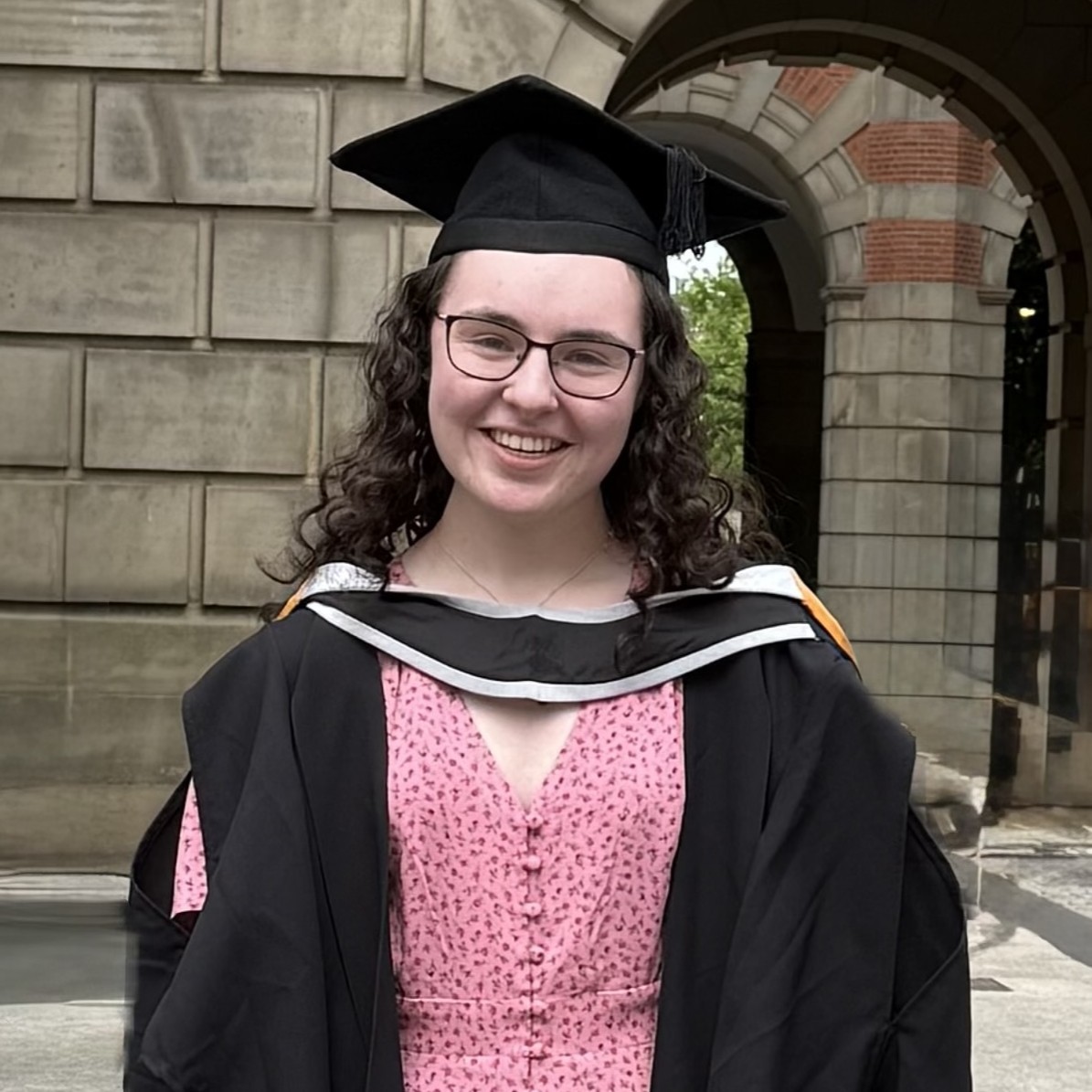
Isobel Bonning
CoL Centre PhD Student
King’s College London & Queen Mary University of London
Isobel is a Radiation Research Centre (RadNet CoL) PhD student, supervised by Roberto Bellelli at Bart’s Cancer Institute, QMUL, and Graeme Hewitt at KCL. her PhD project aims to investigate the role of POLE3, a subunit of DNA Polymerase Epsilon, in response to ionising radiation, to exploit POLE3 as a novel target for radiosensitisation therapies.
Prior to her PhD, Isobel completed an Integrated Masters in Biological Sciences at University of Birmingham. In the third year of her degree, she completed a yearlong placement at MSD in their early-stage drug discovery team, focused on developing therapies against neurodegenerative diseases. Upon returning to Birmingham, she completed her Master’s in Jo Morris’s lab, where she investigated mechanisms underlying single strand DNA gap repair.
Jasmine Symons
CoL Centre PhD Student
King’s College London & UCL
Jasmine graduated from the University of Bristol in 2023 with a MSci in Chemistry. In this time and shortly after achieving her degree, she carried out two placements with Merck altering the crystalline properties of anti-cancer drugs. Her Master’s project was also in collaboration with AstraZeneca, who helped publish her findings on crystalline morphological control of Savolitinib upon completion of the project.
Jasmine is based at King’s College London in St Thomas’s hospital. Her supervisor is Graeme Stasiuk and her second supervisors are Elnaz Yaghini, Vijay Chudasama and Kerstin Sander at UCL. In her PhD project she will be developing targeted theranostics for the treatment of breast cancer.
Klaudia Mitiajew
CoL Centre PhD Student
King’s College London & UCL
Klaudia completed her undergraduate degree in Biomedical Sciences at Queen Mary University of London, where she undertook a final-year project investigating how blocking Ephrin signalling in pancreatic ductal adenocarcinoma (PDAC) reduces metastasis. This experience sparked her interest in cancer research and in combining experimental work with scientific writing. To further pursue this, she completed an MRes in Cancer Biology at Imperial College London, where she spent ten months studying how the tumour microenvironment influences metabolism and drug response in head and neck cancer patient-derived organoids.
Currently, she is based at both KCL (Comprehensive Cancer Centre) and UCL (Cancer Institute), under the supervision of Dr Karimi and Professor Mittnacht. Her PhD focuses on exploring the dark genome, particularly transposable elements in osteosarcoma, to determine whether these could serve as biomarkers of molecular phenotypes or potential therapeutic targets. Her research combines both bioinformatics and wet-lab approaches.
Philippa Samella
CoL Centre PhD Student
King’s College London & Francis Crick Institute
Philippa studied Natural Sciences at the University of Cambridge. She specialised in immunology and cancer at the department of Pathology, where she stayed on for an MPhil. Between uni years she had summer jobs at the MRC-LMB in Cambridge, the Pasteur in Paris, and here at the Crick, before she decided to apply for a PhD.
Her PhD position is funded by City of London Radiation Research Center (RadNet CoL), and she is co-supervised by Ilaria Malanchi at the Crick and Anthony Kong at KCL. Her project is looking at the role if neutrophils in cancer rediosensitivity. Despite prior local radiotherapy and systemic therapies, many breast cancer patients still develop metastatic disease. This project examines how neutrophils recruited to irradiated tumour sites alter cancer radiosensitivity. Neutrophils are highly plastic cells whose education varies with tissue context and is further shaped by perturbations such as ionising radiation. Because neutrophils participate in tumour responses to therapy, we hypothesise that radiation-educated neutrophils modify tumour responses to radiotherapy. Such neutrophils promote metastatic niches in the lung and contribute to radiation-induced lung fibrosis. Dysregulated neutrophil activation may drive tumour radioresistance and increase the overall risk of breast cancer recurrence overall.
Rhiannon Parker
CoL Centre PhD Student
Queen Mary University of London & King’s College London
Rhiannon studied Biomedical Sciences at Oxford Brookes University. After graduating, she worked as a Research Associate at Exscientia and later Recursion, where she developed cell-based assays for early drug discovery projects.
Rhiannon is a PhD student at the Hodivala-Dilke lab at the Barts Cancer Institute, Queen Mary University of London, where her project involves identifying mechanisms of metastasis in ethnically diverse breast cancers, under the supervision of Dr Gabi D’Amico and Prof. Kairbaan Hodivala-Dilke. She is part of the CRUK Black Leaders in Cancer programme.
Rochelle Lartey
CoL Centre PhD Student
King’s College London & Francis Crick Institute
Rochelle studied Biochemistry at Imperial College, then worked for 2 years in France for the biotech company Evotec as a scientific data manager before returning to the UK for her PhD studies.
Rochelle is a PhD candidate on the Black Leaders in Cancer programme stream, and her research aims to focus on the role of mechanosensitive protein Piezo1 in cancer cell proliferation and metastasis. She is based at the Crick Institute as a member of the Rosenblatt Epithelial Cell Extrusion lab. Her supervisors are Jody Rosenblatt, Silvia Santos, and Konstantinos Kalyviotis.
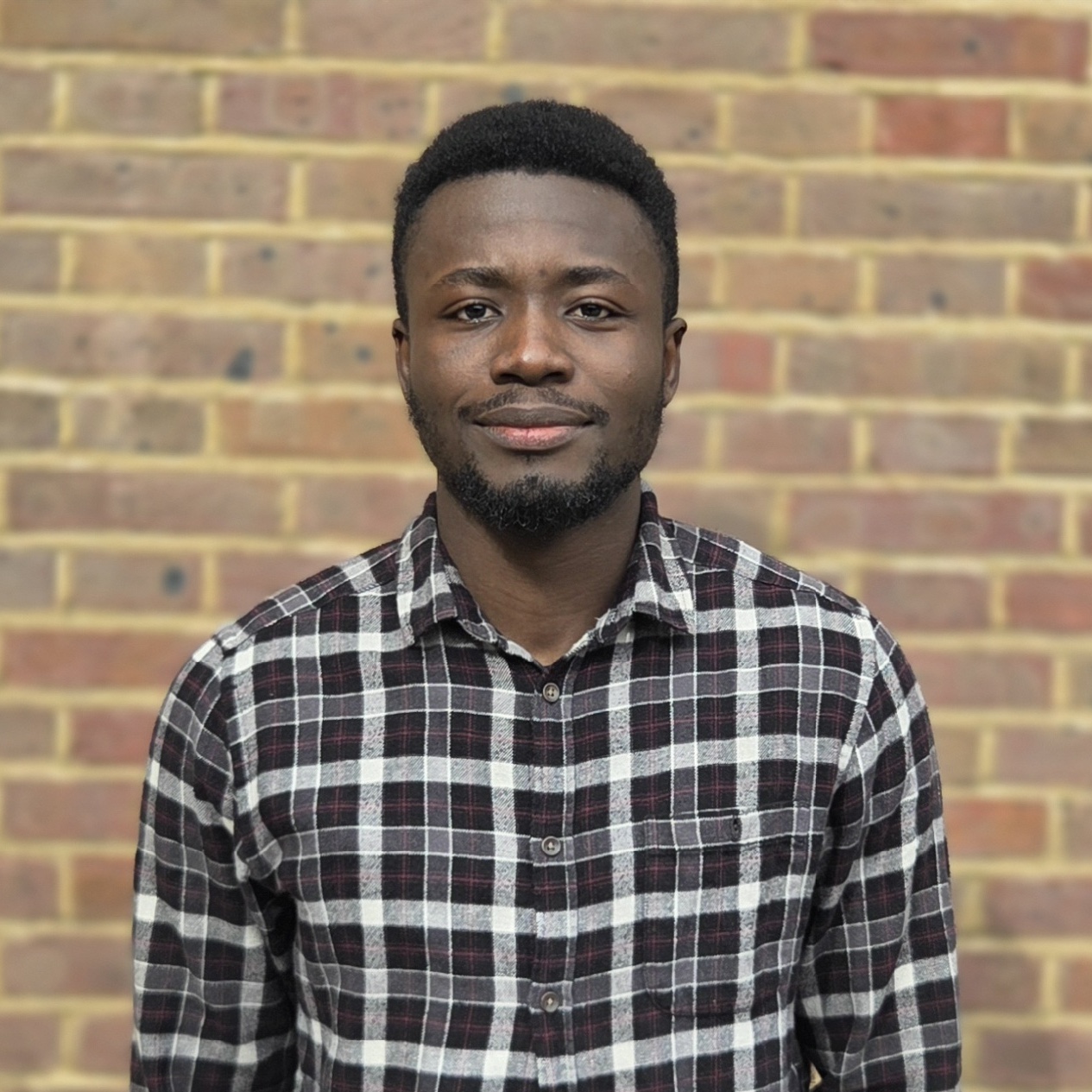
Victor Azusiyine
CoL Centre PhD Student
UCL & Francis Crick Institute
Victor is from Ghana, where he earned his bachelor’s degree in Medical Biochemistry and Molecular Biology at the University of Health and Allied Sciences. Following his undergraduate studies, he worked as a biomedical scientist before completing his MPhil at the University of Ghana. His MPhil research focused on developing the first breast cancer cell line of Ghanaian ethnic origin, with the goal of increasing the representation of underrepresented populations in preclinical in vitro cancer models.
Victor is based at University College London, undertaking his PhD through the CRUK Black Leaders in Cancer PhD track. He is supervised by Professor Nicholas McGranahan and Professor Charles Swanton, and his research focuses on the role of transposable elements in lung cancer evolution. He is part of teh CRUK Black Leaders in Cancer programme.
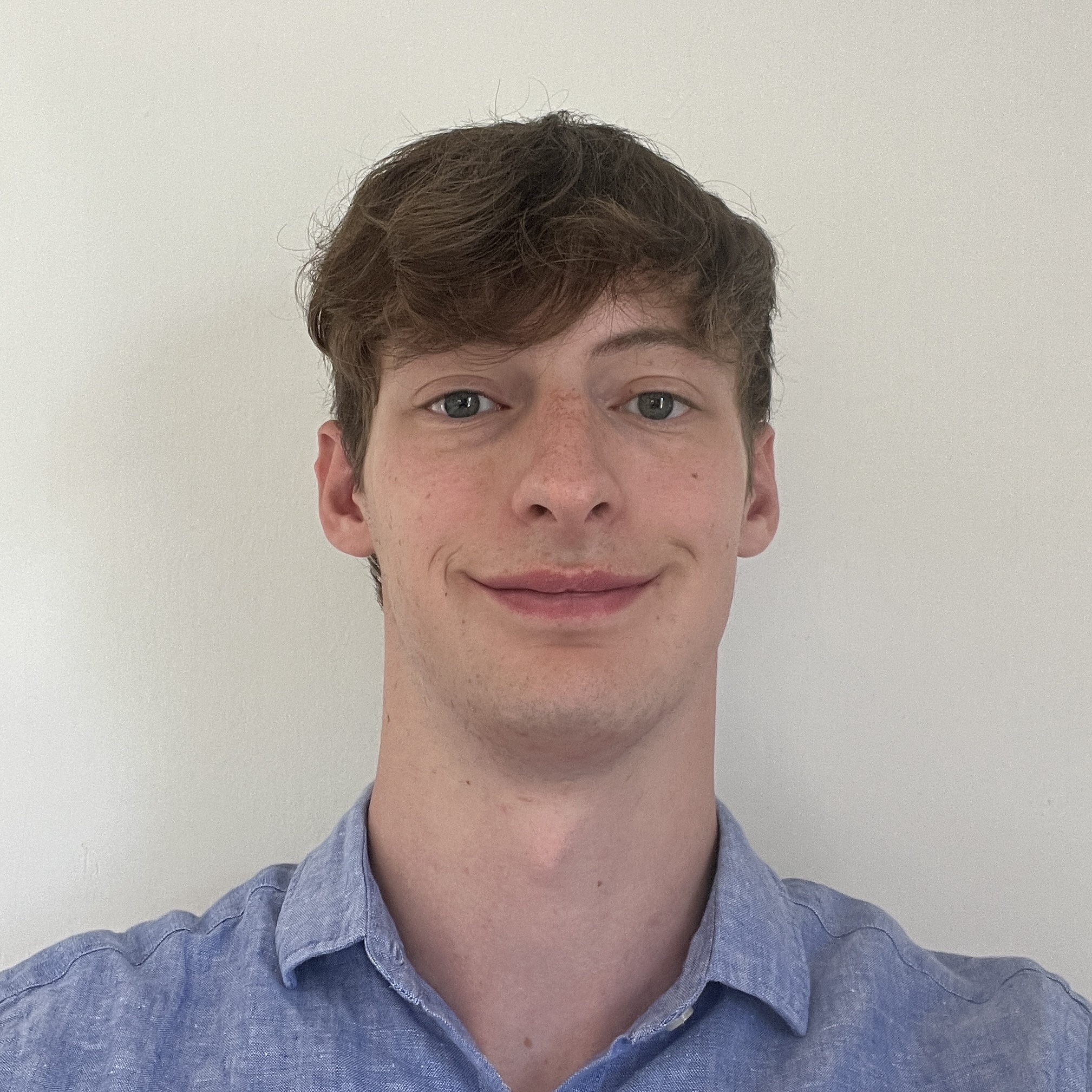
Will Lovell
CoL Centre PhD Student
King’s College London & Queen Mary University of London
Will is a CRUK City of London PhD Student supervised by Professor James Arnold (KCL) and Professor Kairbaan Hodivala-Dilke (BCI). His research project aims to investigate the role of macrophages and pericytes in shaping the perivascular niche and supporting breast cancer progression. The goal of his project is to identify the mechanisms of communication between macrophages and pericytes, and to subsequently leverage this communication axis to improve the efficacy of standard therapies.
Bethan Johnson
MBPhD Student
Queen Mary University of London
Bethan completed her first 3 years of medical school at the University of Liverpool and transferred to QMUL last year for an integrated MSc in Laparoscopic Surgery and Surgical Skills.
She is on the MBPhD programme, investigating c-Met endosomal signalling in breast cancer with Prof Stephanie Kermorgant and Prof Louise Jones at BCI.
Laura Tavares
MBPhD Student
UCL
Laura is an MBPhD student in the Sarcoma Genomics and Biology Lab at the UCL Cancer Institute. Under the supervision of Professor Nischalan Pillay and Professor Sandra Strauss, her research explores the use of circulating nucleic acids to detect early recurrence and monitor therapeutic response in genomically complex sarcomas.
She began her medical training at UCL in 2021 and joined the lab in 2023 through a summer research studentship, where she investigated the methylation landscape of clear cell sarcoma. In 2024, she completed an intercalated BSc in Medical Oncology, during which she undertook a research project at the Institute for Liver and Digestive Health, exploring the tumour microenvironment in metastatic neuroendocrine tumours.
Laura aims to pursue a career as a clinical academic in medical oncology.
Sofia Grushkevych
MBPhD Student
UCL
Sofia is a current MBPhD student at the UCL Cancer Institute, based in the Stem Cell Laboratory under the supervision of Professor Tariq Enver.
She began studying Medicine at UCL in 2021, and developed a strong interest in research following a summer research placement in a UCL Cancer Biochemistry laboratory. This was further strengthened during her intercalation in Medical Sciences with Anatomy, where she undertook a research project in a Stem Cell Biology lab. For her PhD project, Sofia will investigate the role of inflammation in the emergence of B-cell Precursor Acute Lymphoblastic Leukaemia, utilising induced pluripotent stem cell (iPSC) technology.
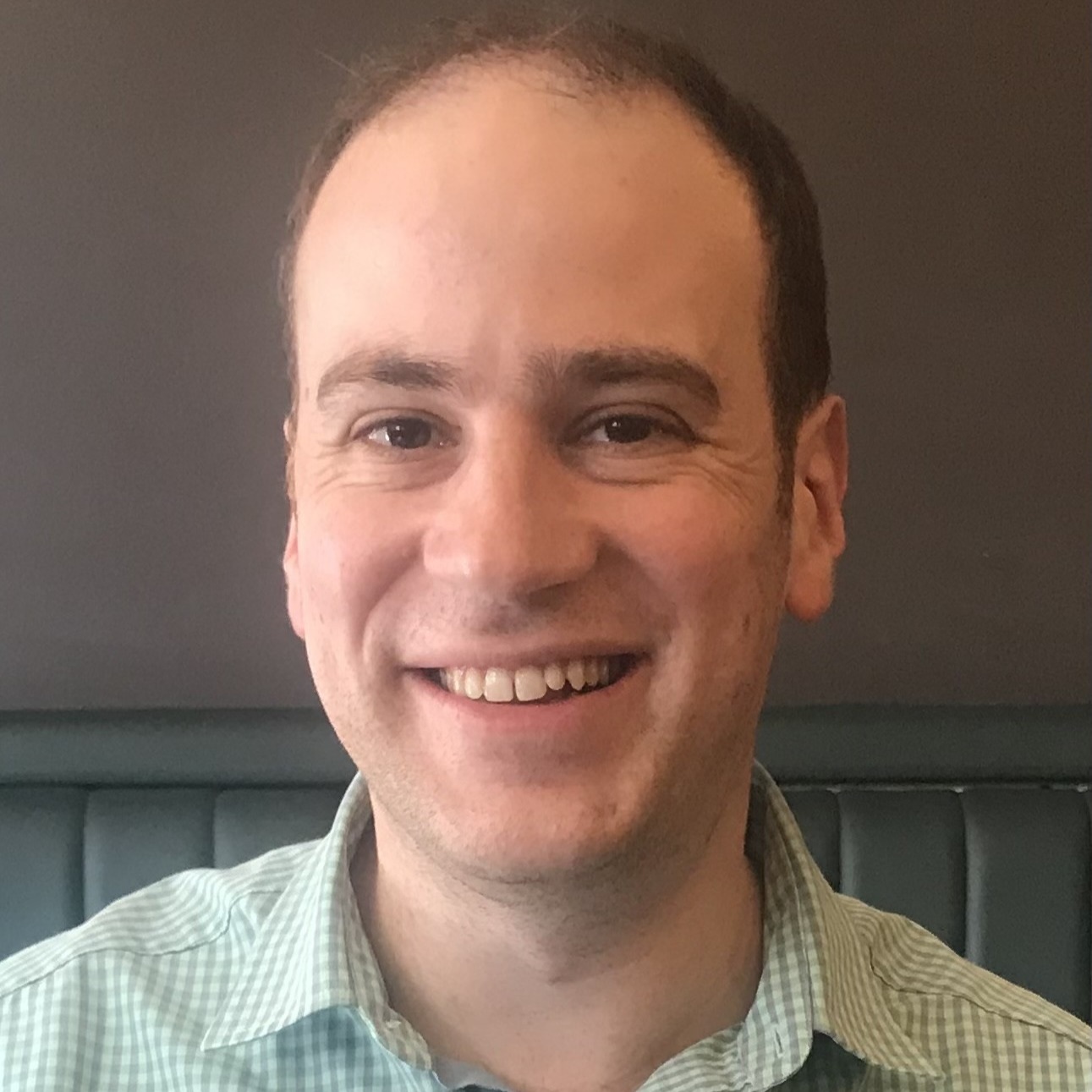
Eitan Mirvis
Clinical Research Training Fellow
King’s College London & UCL
Eitan is a Clinical Research Training Fellow in Dr Reuben Benjamin's Cellular Immunotherapy Lab (KCL). In his PhD, he is investigating mechanisms of resistance to anti-BCMA CAR-T cell therapy in multiple myeloma, with a view to developing a novel therapeutic strategy to improve efficacy.
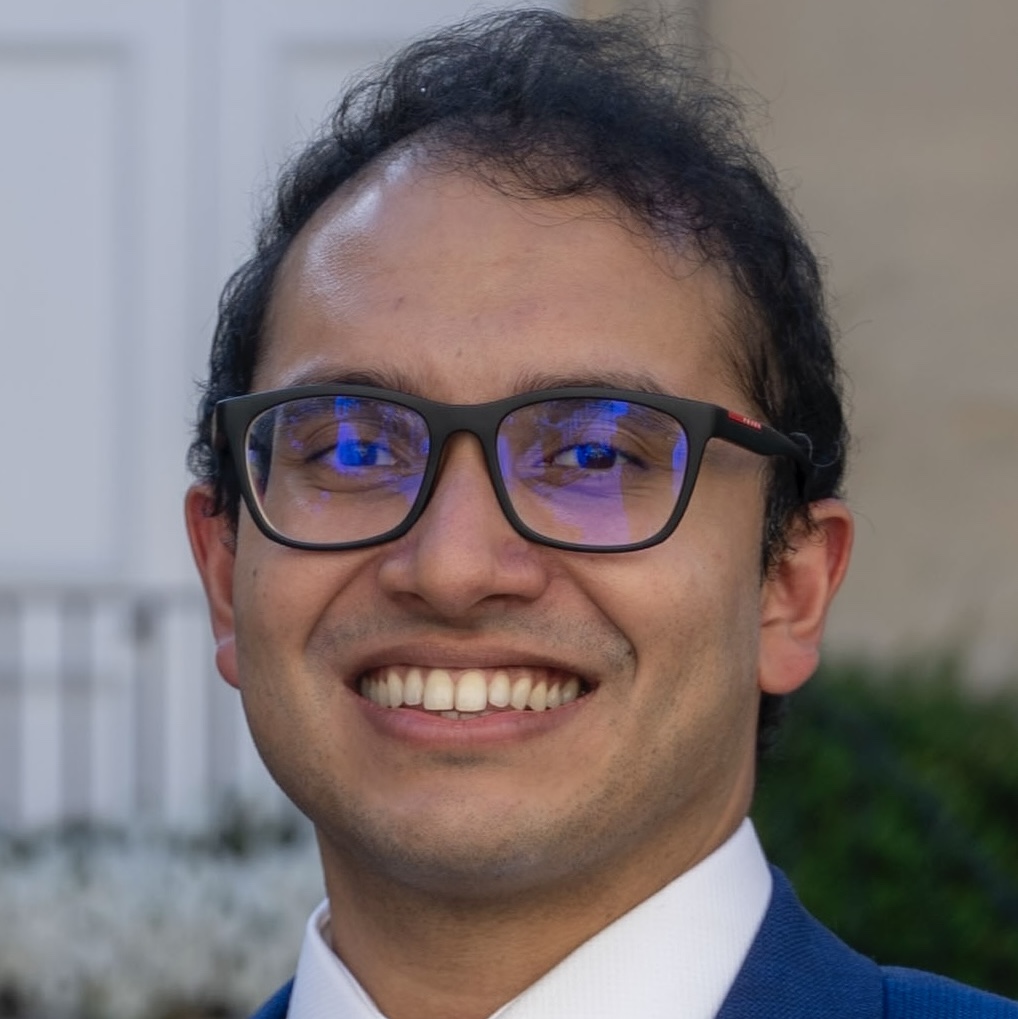
Farhan Huq
Clinical Research Training Fellow
UCL & Queen Mary University of London
Farhan is a Respiratory Medicine registrar and early-career clinical academic at UCL with a research focus on the early detection and interception of lung cancer. He completed his MBBS at Imperial College and an MSc in Genomic Medicine at QMUL.
Farhan is currently undertaking a computational PhD within the Janes Lab (UCL), performing multi-omic analysis of pre-invasive airway lesions to develop a risk-stratification machine-learning pipeline.
James Day
Clinical Research Training Fellow
UCL & Queen Mary University of London
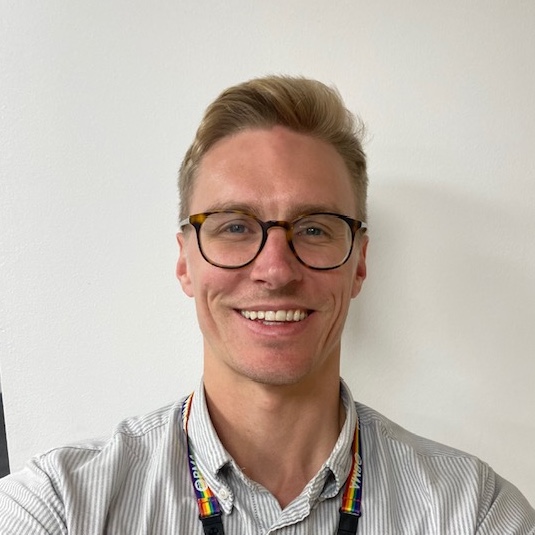
James is a clinical research training fellow in the Mansour Leukaemia Biology group at the UCL Cancer Institute, analysing aberrant RNA splicing in AML. His ultimate goal is to identify novel immunotherapeutic targets downstream of abnormal RNA splicing in this aggressive and difficult to treat leukaemia.
Max Brodermann
Clinical Research Training Fellow
UCL & Queen Mary University of London
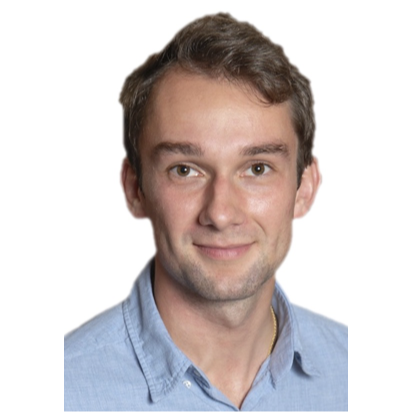
Max studied medicine at Oxford, going on to become a haematology registrar in the UCLH deanery. He undertook an NIHR academic clinical fellowship at the UCL Cancer Institute which inspired his application for the CRUK clinical research training fellowship.
Max is undertaking his PhD in the Sellar Lab of the UCL Cancer Institute. This group specialises in the field of targeted protein degradation to develop treatment modalities against rare and aggressive malignancies. His PhD will focus on cancers driven by oncofusion proteins.
Sylvie Chan
Clinical Research Training Fellow
UCL & King’s College London
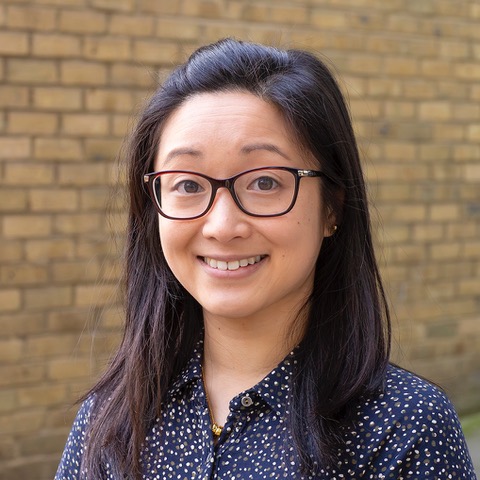
Sylvie is a Clinical Research Training Fellow co-supervised by Prof Gert Attard (UCL) and Prof Anita Grigoriadis (KCL). She will be conducting a multi-omic exploration of Lutetium-PSMA radioligand therapy resistance in advanced prostate cancer, investigating multi-region tumour samples from the PEACE study’s Prostate cohort. We will conduct spatial transcriptomics and single-cell DNA sequencing, the latter supervised by Dr Simone Zaccaria who leads UCL's Computational Cancer Genomics group.
Prior to beginning this PhD, Sylvie completed her medical degree at The University of Auckland, New Zealand, and was working as a specialty trainee in Medical Oncology. In 2023, she moved to London to conduct translational research with the Attard Lab at the UCL Cancer Institute.
Tanith Westerman
Clinical Research Training Fellow
Queen Mary University of London & UCL
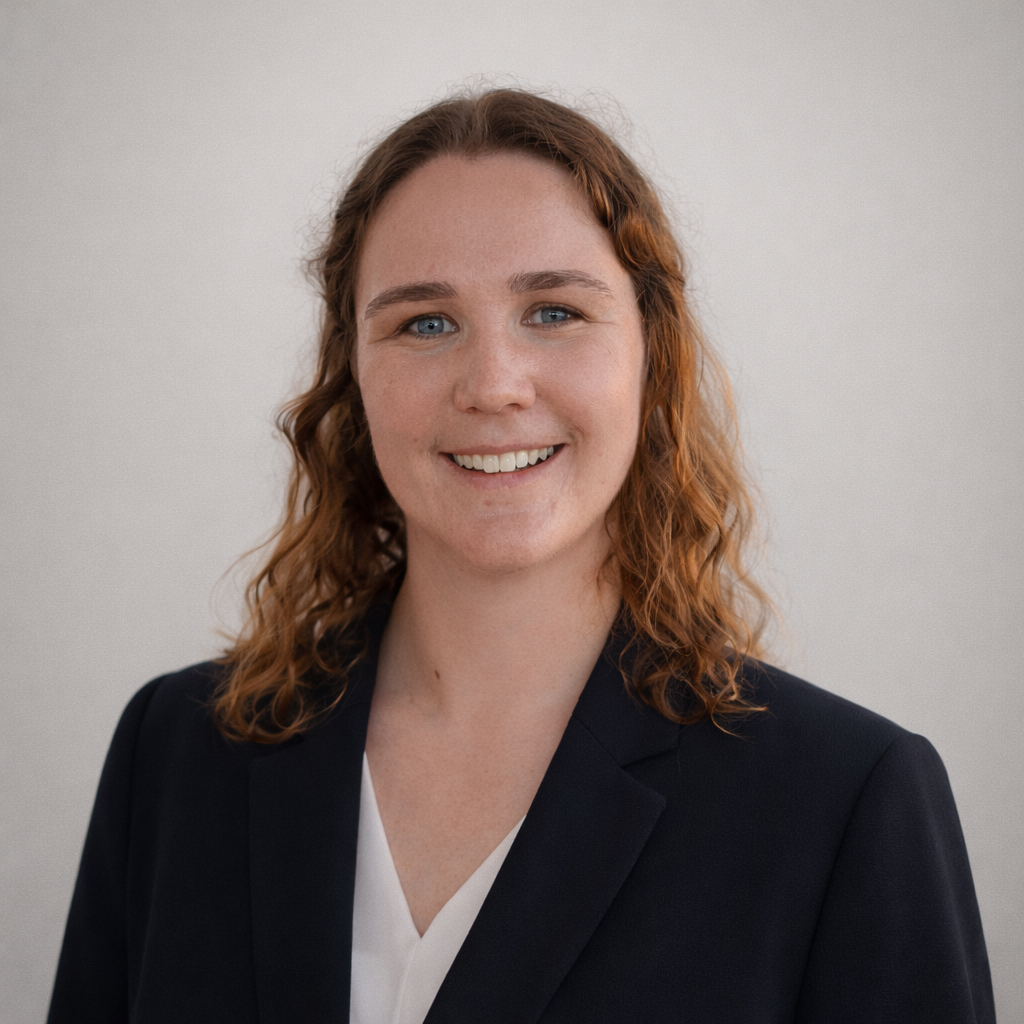
Tanith is a medical oncology registrar at St Bartholomew's Hospital taking an out of programme research break. She is on the Clinical research training fellows PhD stream based at Barts Cancer Institute. Her supervisors are Prof Gerlinger at QMUL and Prof Marnix at UCL.
During her PhD Tanith will be investigating mechanisms of response and resistance to antibody drug conjugates targeting claudin 18.2 in gastro-oesophageal cancer.